


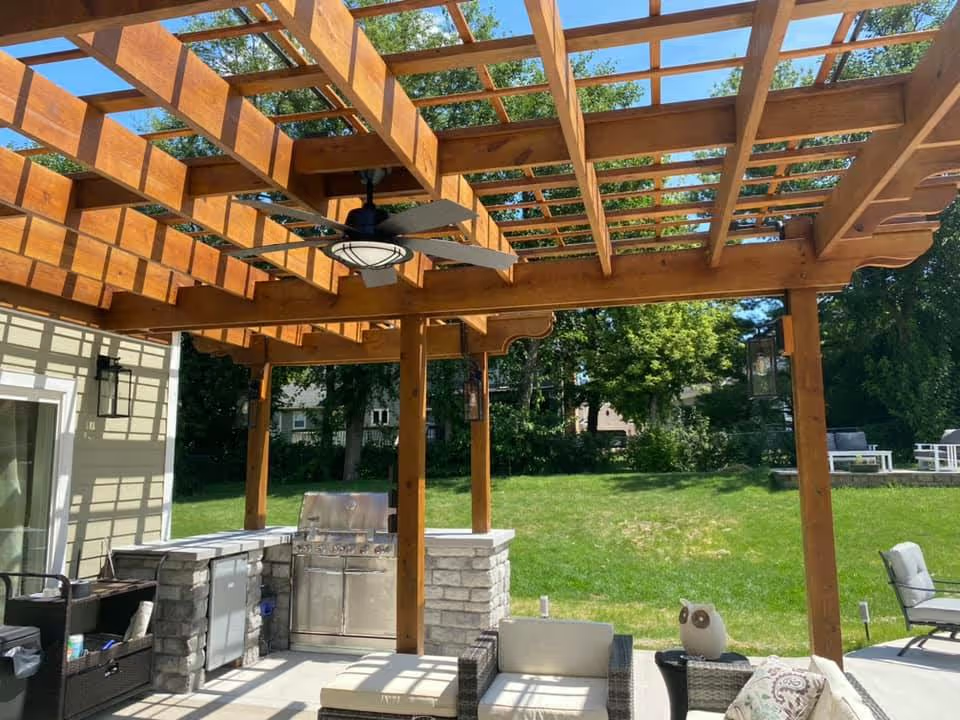
Homeowner's Guide to Deck, Pergola & Outdoor Space Planning in Chicago
Why a Well-Planned Deck or Pergola Project Pays Off in Chicago
Chicago summers are relatively short, but a thoughtfully designed deck or pergola turns a handful of warm weekends into a year-round living space - grilling with friends in July, coffee under a patio heater in October, even snow-covered lights in December.
But jumping straight to construction without a clear plan can leave you with warped boards, wobbly railings, and a space that never quite fits the way you live.
Choosing Deck and Pergola Materials: Start With How You'll Use the Space
Timber and composite each shine in different ways - maintenance, lifespan, and budget all shift depending on which route you take.
Before you price out timber vs. composite, answer three quick questions:
- How will you use the space?
- Hosting large gatherings? Plan for built-in seating and wide stairs.
- Quiet yoga spot? Prioritise privacy screens and shade.
- Hosting large gatherings? Plan for built-in seating and wide stairs.
- What’s your maintenance appetite?
- Love the natural look of wood and don’t mind annual sealing? Choose cedar or treated pine.
- Prefer a scrub-and-forget surface? High-grade composite earns its keep.
- How long will you be in the home?
- Selling in a few years? Focus on broad appeal and resale ROI.
- Staying for decades? Personalise materials, lighting, and custom touches.
Deck and Pergola Layout: Zoning, Flow and Code Compliance in the Northwest Suburbs
- Zoning & Setbacks
Villages across the NW suburbs vary on how close you can build to a lot line. Check first, sketch later. - Traffic Flow
Keep grilling zones clear of doorways so guests aren’t squeezing past hot coals. - Sun & Shade Mapping
Track sunlight across your yard; pergola slats laid east-west give mid-day shade, north-south capture soft afternoon light. - Elevation & Drainage
Clay soils hold water. Proper footings and a slight deck pitch prevent puddles and slick surfaces later.
Best Decking Materials for Chicago's Freeze-Thaw Weather
Planning for Chicago’s freeze-thaw winters and humid summers starts with the material you put underfoot.
Here’s how the top options compare:
Deck and Pergola Permits, Inspections and HOA Approvals in Chicago
Paperwork isn’t the fun part, but it protects resale value and avoids fines.
CHR Contractors handles:
- Completing and submitting permit packets to your village or city.
- Scheduling required inspections - post-hole, framing, and final inspections.
- Sharing stamped drawings so your HOA board signs off quickly.
Deck and Pergola Cost Guide for Chicago's Northwest Suburbs
- Size & height
Two-tier decks need extra structure. - Material choice
Composite and metal framing raise cost but cut maintenance. - Custom features
Built-ins, lighting, or under-deck drainage add convenience and line items. - Site conditions
Sloped yards or heavy landscaping demand more prep.
Rule of thumb:
According to regional cost guides, homeowners in Chicago’s northwest suburbs usually invest around $30–$55 per square foot for a professionally built timber deck.
Premium composite projects tend to land roughly $50–$85 per square foot, though the final figure can swing higher or lower based on design, site conditions, and the contractor’s specific rates.
Deck and Pergola Build Timeline for Chicago's Climate
- Permit lead time
Approximately 1 – 3 weeks, depending on municipal workload. - Typical build window
1 – 2 weeks for a 300 sq ft deck (weather permitting). - Best seasons
April to June and September to October - mild temps help finishes cure and crews move faster.
Pro tip:
Book your contractor by late winter to lock materials before spring demand spikes.
Why Homeowners Choose CHR Contractors for Deck and Pergola Projects
- Design-build simplicity
One team guides you from sketches to the final stain. - Personal involvement
John and his trusted team are on site to approve footing depth, beam spans, and finish details. - Chicago-tested craftsmanship
Every deck and pergola is engineered for freeze-thaw cycles and blazing summer heat. - Transparent pricing & schedule
Itemised quotes, firm timelines, no surprise up-charges.
Start Planning Your Chicago Deck or Pergola Today
Book a no-obligation consultation and you can get:
- A site assessment with a preliminary layout sketch.
- Tailored material comparisons for your budget and lifestyle.
- A clear timeline that works around Chicago’s weather rhythms.


